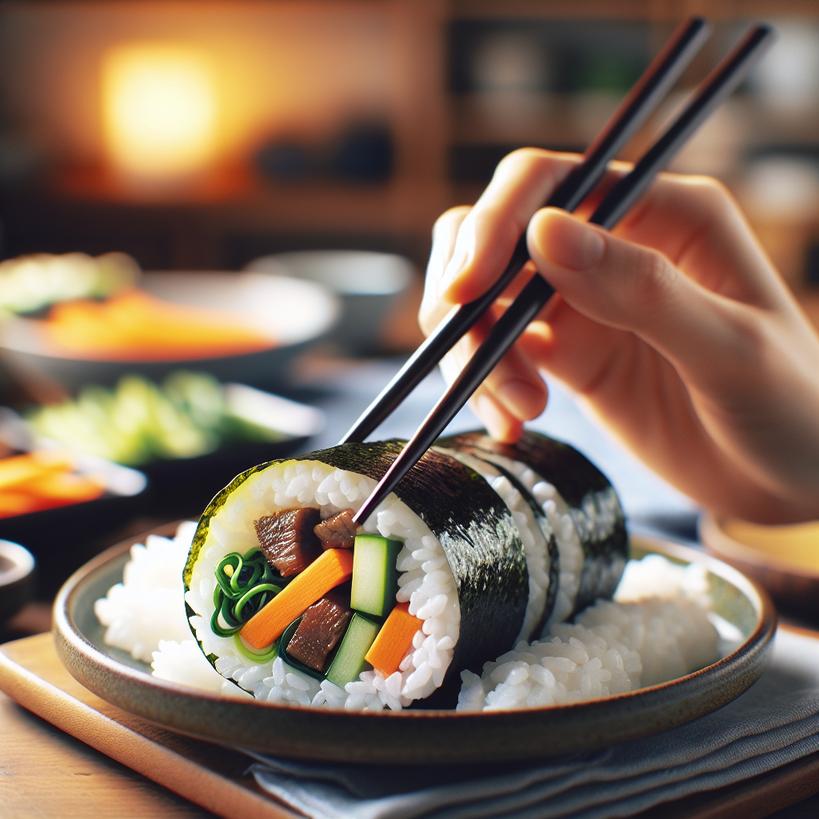
Gimbap, a popular Korean dish, is often compared to sushi but has its unique characteristics and flavors. Made by rolling steamed rice, vegetables, and protein in seaweed, gimbap is a versatile and nutritious meal that can be enjoyed at any time. However, the aesthetic appeal of gimbap greatly hinges on how it is sliced. Proper techniques not only enhance the visual presentation but can also impact the dining experience. In this text, we will explore the best practices for cutting gimbap effectively, ensuring that it retains its delightful flavors and textures.
To begin, understanding the composition of gimbap is essential. Traditional gimbap typically includes rice seasoned with sesame oil, various vegetables such as cucumber, carrots, and spinach, a protein of choice—commonly beef, eggs, or fish—and sometimes pickled radish. The harmonious blend of ingredients creates a colorful visual that deserves to be showcased. When slicing gimbap, the aim is to create clean, even pieces that highlight the vibrancy of the ingredients.
Before cutting, it is important to ensure that the gimbap has been allowed to rest for a short while after preparation. This resting period allows the ingredients to settle, reducing the chances of them slipping out when sliced. If the gimbap is still warm, the rice may be sticky and challenging to cut through cleanly. Allowing it to cool at room temperature for about 10-15 minutes makes a significant difference.
Next, selecting the right knife is crucial. A sharp, non-serrated knife is the best option for cutting gimbap. A dull knife can squish the roll and create uneven slices, which detracts from the overall presentation. Additionally, a non-serrated knife minimizes the chances of tearing the seaweed wrap, ensuring that each piece maintains its shape. It is advisable to lightly moisten the knife blade with water or a small amount of sesame oil before slicing; this tactic helps prevent sticking, resulting in smoother cuts.
When it comes to the actual cutting technique, precision and care are paramount. Rather than forcing the knife down through the roll, it is more effective to apply a gentle rocking motion. Start at one end of the gimbap and gently press down, allowing the knife to glide through the layers without compressing them. Aim for even slices, typically about 1-inch thick, which provides a perfect bite-sized piece. This thickness also allows the layers of ingredients to be clearly visible, enhancing the dish’s visual appeal.
Maintaining the integrity of the gimbap is important as well. Avoid squeezing the roll while cutting, as this can cause the filling to spill out. Instead, let the knife do the work. If any pieces do fall apart during slicing, they can be reassembled or served alongside as additional bites. This attention to detail elevates the eating experience, showing respect for both the culinary art and those enjoying the meal.
Once the gimbap has been beautifully sliced, presentation plays a significant role. Arranging the pieces on a platter can enhance the appeal further. Consider alternate arrangements, such as a circular display or rows, and do not forget to add garnishes. Common accompaniments include pickled vegetables, kimchi, or a small dipping sauce. The final presentation should invite and excite the eater, serving as a testament to the efforts put into the crafting and cutting of the gimbap.
After slicing and presenting the gimbap, it becomes a complete dining experience. Whether enjoyed at a picnic, as a convenient lunch, or at a festive gathering, gimbap delivers both flavor and satisfaction. Proper slicing not only showcases the beauty of the ingredients but also enhances the enjoyment of eating this revered dish. By observing these techniques, anyone can master the art of cutting gimbap, ensuring that each bite is just as delicious as it is visually striking.
In conclusion, slicing gimbap may seem simple, yet it requires attention to detail and the right methods to achieve the best results. By allowing the roll to rest, using a sharp knife, employing a gentle cutting technique, and focusing on presentation, the gimbap can truly shine. With practice and patience, you can elevate this beloved dish from a mere meal to an artistic culinary experience, impressing family and friends alike. Embrace the journey of slicing gimbap, and enjoy the delicious rewards that await you in every bite.