떡볶이는 진짜 왜 맛있나

Generated Image

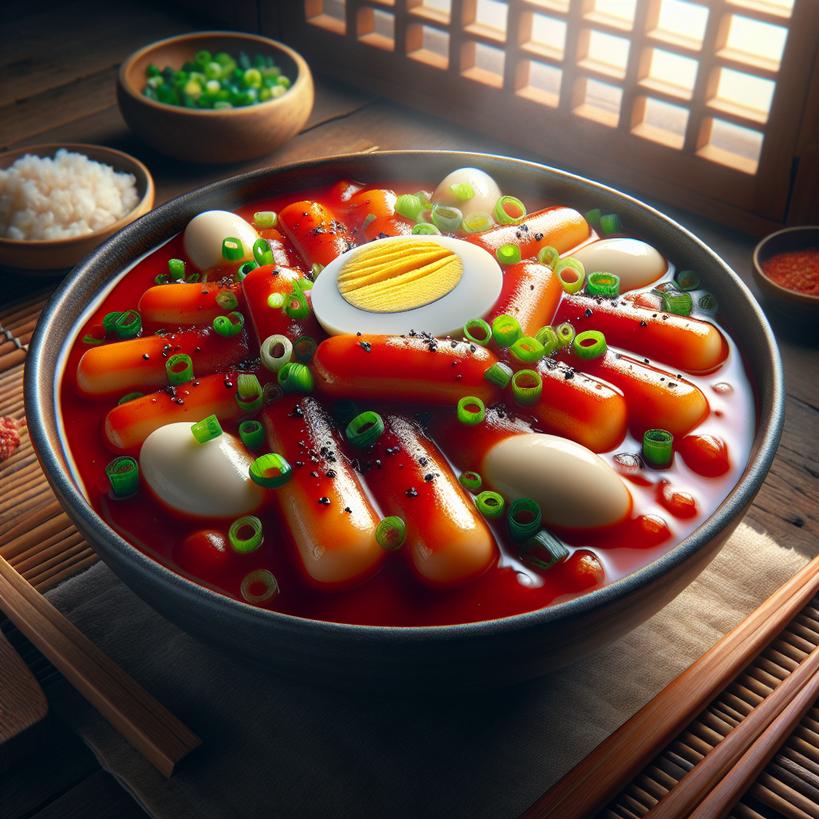
Tteokbokki, a beloved Korean street food, captivates the taste buds of many with its unique combination of flavors and textures. This dish primarily features chewy rice cakes, known as “tteok,” which are stir-fried and often drenched in a glossy, spicy-sweet sauce made primarily from gochujang, a Korean chili paste. The allure of tteokbokki can be attributed to several factors including its ingredients, preparation methods, and cultural significance.

The primary ingredient, the rice cake, is made from glutinous rice, which gives it a chewy and satisfying texture. This chewiness plays a crucial role in enhancing the eating experience, providing both a unique mouthfeel and a sense of satisfaction that you get with each bite. The rice cakes are typically cylindrical and can vary in thickness, allowing for diverse preparations. When they are pan-fried or simmered in a sauce, the outside of the tteok becomes slightly crispy while the inside remains soft and warm, creating a delightful contrast that further enriches the dish.

The signature gochujang sauce is another reason why tteokbokki is so irresistible. This paste, made from fermented soybeans, glutinous rice, and red chili powder, provides a perfect blend of heat, sweetness, and umami. The fermentation process not only deepens the flavor but also adds complexity to the overall taste profile of the dish. When combined with additional ingredients such as fish cakes, scallions, and boiled eggs, the sauce becomes a perfect harmonizer of flavors. The way that the spice and sweetness intermingles creates an extremely addictive taste that keeps people coming back for more.

Preparation methods of tteokbokki can vary widely, resulting in a range of tastes and textures. Many vendors use a simple yet effective method of stir-frying the rice cakes with the sauce until fully coated and heated through. This quick cooking preserves the integrity of the tteok while allowing the flavors to meld beautifully. Other variations may include extra ingredients such as cheese, topokki (a type of Korean sausage), or even vegetables, each adding a new layer of taste and texture that makes the dish even more delightful.

Culturally, tteokbokki holds a significant place in Korean society. It is regarded as a comfort food, often enjoyed during casual outings, celebrations, or even late-night snacks. The dish is frequently associated with street food markets and bustling food stalls, creating a lively atmosphere where people gather to savor their favorite versions. It embodies the spirit of sharing and community, encouraging social interaction and nostalgia. When you eat tteokbokki, it’s not just about satisfying hunger; it’s also about being part of a larger cultural narrative that emphasizes joy and connection.

Additionally, the global popularity of tteokbokki highlights its ability to transcend cultural boundaries. As more people around the world become exposed to Korean cuisine, the dish has garnered a following that appreciates its unique flavors and appeal. Food enthusiasts enjoy experimenting with different styles and ingredients, leading to innovative interpretations that continue to evolve the dish. This cross-cultural exchange only adds to tteokbokki’s richness, making it a symbol of culinary exploration.

In summary, the allure of tteokbokki lies in its delightful combination of textures from chewy rice cakes and rich flavors from the gochujang sauce. Its versatility in preparation allows for a variety of delightful interpretations, while its cultural significance as a beloved comfort food adds depth to the eating experience. Furthermore, the global fascination with this dish showcases its potential to connect people through food, fostering community and shared happiness. Whether enjoyed as a street snack or a homemade meal, tteokbokki continues to capture hearts and palates alike, making it undeniably satisfying and eternally popular.
김밥 맛있게 썰기

Generated Image

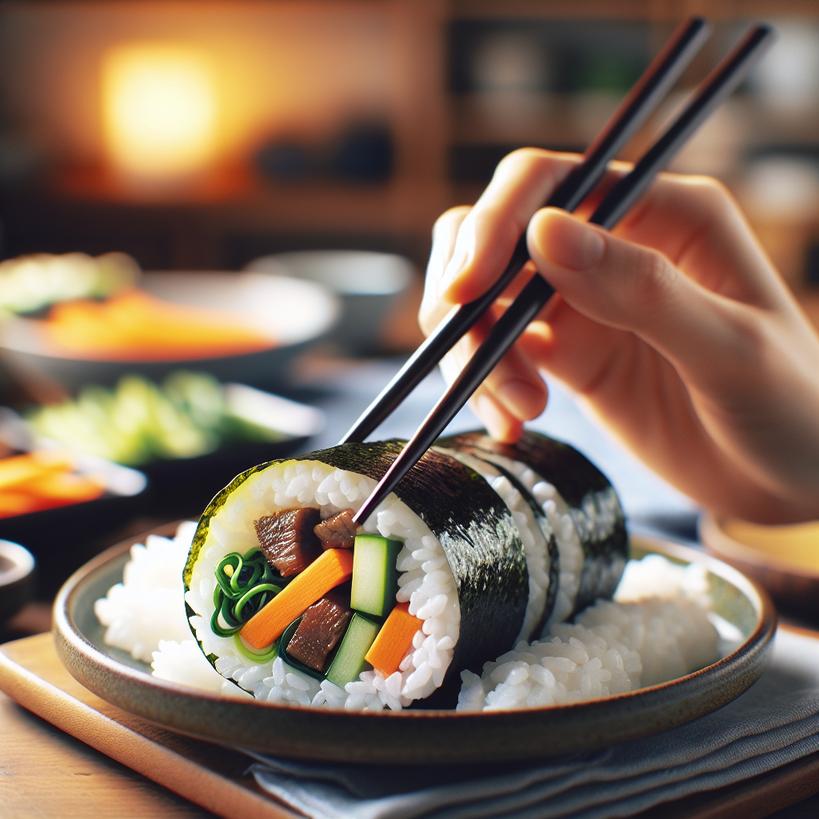
Gimbap, a popular Korean dish, is often compared to sushi but has its unique characteristics and flavors. Made by rolling steamed rice, vegetables, and protein in seaweed, gimbap is a versatile and nutritious meal that can be enjoyed at any time. However, the aesthetic appeal of gimbap greatly hinges on how it is sliced. Proper techniques not only enhance the visual presentation but can also impact the dining experience. In this text, we will explore the best practices for cutting gimbap effectively, ensuring that it retains its delightful flavors and textures.

To begin, understanding the composition of gimbap is essential. Traditional gimbap typically includes rice seasoned with sesame oil, various vegetables such as cucumber, carrots, and spinach, a protein of choice—commonly beef, eggs, or fish—and sometimes pickled radish. The harmonious blend of ingredients creates a colorful visual that deserves to be showcased. When slicing gimbap, the aim is to create clean, even pieces that highlight the vibrancy of the ingredients.

Before cutting, it is important to ensure that the gimbap has been allowed to rest for a short while after preparation. This resting period allows the ingredients to settle, reducing the chances of them slipping out when sliced. If the gimbap is still warm, the rice may be sticky and challenging to cut through cleanly. Allowing it to cool at room temperature for about 10-15 minutes makes a significant difference.

Next, selecting the right knife is crucial. A sharp, non-serrated knife is the best option for cutting gimbap. A dull knife can squish the roll and create uneven slices, which detracts from the overall presentation. Additionally, a non-serrated knife minimizes the chances of tearing the seaweed wrap, ensuring that each piece maintains its shape. It is advisable to lightly moisten the knife blade with water or a small amount of sesame oil before slicing; this tactic helps prevent sticking, resulting in smoother cuts.

When it comes to the actual cutting technique, precision and care are paramount. Rather than forcing the knife down through the roll, it is more effective to apply a gentle rocking motion. Start at one end of the gimbap and gently press down, allowing the knife to glide through the layers without compressing them. Aim for even slices, typically about 1-inch thick, which provides a perfect bite-sized piece. This thickness also allows the layers of ingredients to be clearly visible, enhancing the dish’s visual appeal.

Maintaining the integrity of the gimbap is important as well. Avoid squeezing the roll while cutting, as this can cause the filling to spill out. Instead, let the knife do the work. If any pieces do fall apart during slicing, they can be reassembled or served alongside as additional bites. This attention to detail elevates the eating experience, showing respect for both the culinary art and those enjoying the meal.

Once the gimbap has been beautifully sliced, presentation plays a significant role. Arranging the pieces on a platter can enhance the appeal further. Consider alternate arrangements, such as a circular display or rows, and do not forget to add garnishes. Common accompaniments include pickled vegetables, kimchi, or a small dipping sauce. The final presentation should invite and excite the eater, serving as a testament to the efforts put into the crafting and cutting of the gimbap.

After slicing and presenting the gimbap, it becomes a complete dining experience. Whether enjoyed at a picnic, as a convenient lunch, or at a festive gathering, gimbap delivers both flavor and satisfaction. Proper slicing not only showcases the beauty of the ingredients but also enhances the enjoyment of eating this revered dish. By observing these techniques, anyone can master the art of cutting gimbap, ensuring that each bite is just as delicious as it is visually striking.

In conclusion, slicing gimbap may seem simple, yet it requires attention to detail and the right methods to achieve the best results. By allowing the roll to rest, using a sharp knife, employing a gentle cutting technique, and focusing on presentation, the gimbap can truly shine. With practice and patience, you can elevate this beloved dish from a mere meal to an artistic culinary experience, impressing family and friends alike. Embrace the journey of slicing gimbap, and enjoy the delicious rewards that await you in every bite.

냉면 맛집 리스트

Generated Image

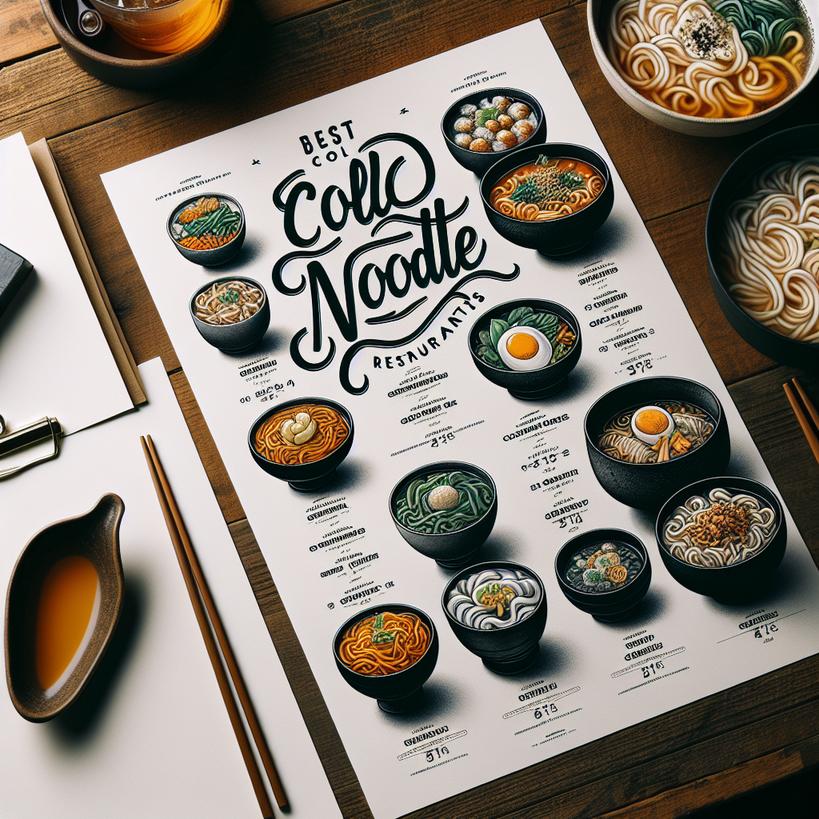
Noodle dishes have long been a staple in Korean cuisine, and among them, cold noodles—known as “naengmyeon”—hold a special place in the hearts of many. This refreshing dish has gained popularity not just in Korea but also among food enthusiasts around the world. The perfect cold noodle is characterized by its chewy texture, chilled broth, and a medley of toppings. For those seeking to explore the ultimate naengmyeon experience, here are some standout restaurants that offer exceptional versions of this beloved dish.

One of the most renowned establishments for naengmyeon is “Yuksu Naengmyeon,” which is celebrated for its rich and flavorful broth. The restaurant’s signature dish features buckwheat noodles served in a chilled beef broth that has been meticulously crafted through a long simmering process. This results in a profoundly deep flavor that enhances the overall experience of the dish. Topped with slices of tender beef, an egg, and fresh vegetables, Yuksu Naengmyeon creates a harmonious balance of tastes and textures. The restaurant’s dedication to traditional methods ensures that each bowl remains authentic, making it a must-visit for both locals and tourists.

Another gem in the naengmyeon scene is “Myeongdong Naengmyeon,” located in the bustling heart of Seoul. What sets this restaurant apart is its use of a unique blend of ingredients in the broth, which gives it a distinct taste. The noodles here are hand-made daily and are known for their springy texture that pairs perfectly with the slightly sweet and tangy broth. Diners can enjoy a variety of toppings, including marinated vegetables and slices of spicy radish, adding a burst of flavor to every bite. The lively atmosphere of Myeongdong Naengmyeon makes it an ideal spot for enjoying a casual meal, surrounded by the vibrant energy of the city.

If you are looking for a modern twist on this classic dish, “Chef’s Naengmyeon” offers a gourmet take that incorporates seasonal ingredients and creative presentations. The chef is known for experimenting with flavors while maintaining the essence of traditional naengmyeon. For instance, one of the star dishes features a refreshing sesame sauce instead of the typical broth, providing a nutty and rich indulgence. The combination of innovative toppings such as grilled vegetables and roasted seeds elevates the dish to new heights, appealing to adventurous eaters eager to experience something different.

For those who prefer the spicier version of naengmyeon, “Spicy Naengmyeon House” specializes in “bibim naengmyeon,” which features a spicy, sweet, and tangy sauce that coats the noodles beautifully. This dish is particularly popular during the hotter months, offering a zesty alternative to the traditional chilled broth. The addition of sliced cucumbers, boiled eggs, and sometimes even banchan like kimchi allows for a diverse flavor profile that keeps customers coming back for more. The casual setting and friendly service at Spicy Naengmyeon House create an inviting atmosphere, making it an ideal spot for families and friends to gather.

For an authentic taste that takes you back to the roots of Korea, “Hansik Naengmyeon” provides a traditional experience that emphasizes homemade recipes passed down through generations. The restaurant prides itself on using high-quality ingredients and preparing everything on-site—from the noodles to the broth. Their dedication to culinary tradition means diners can expect a genuine taste of Korea, accompanied by the warm hospitality that the country is known for. Each serving is thoughtfully accompanied by a side of kimchi, enhancing the flavor and allowing patrons to enjoy a complete meal representative of Korean culinary culture.

As one explores the world of naengmyeon, it becomes clear that this dish is more than just a meal; it represents a rich history and culture that continues to thrive in contemporary society. Each restaurant offers a unique twist on the classic, allowing patrons to discover their personal favorite style of cold noodles. Whether you opt for a traditional broth or a spicy rendition, naengmyeon embodies the spirit of Korean cuisine and showcases its ability to adapt while staying true to its roots.

Ultimately, discovering the best naengmyeon restaurants is an enriching journey that invites food enthusiasts to celebrate the diversity and creativity found within this beloved dish. With each visit, you not only indulge in delicious food but also connect with a community and culture that cherishes its culinary heritage. So gather your friends, embark on a naengmyeon adventure, and savor the delightful flavors and experiences these amazing establishments have to offer.